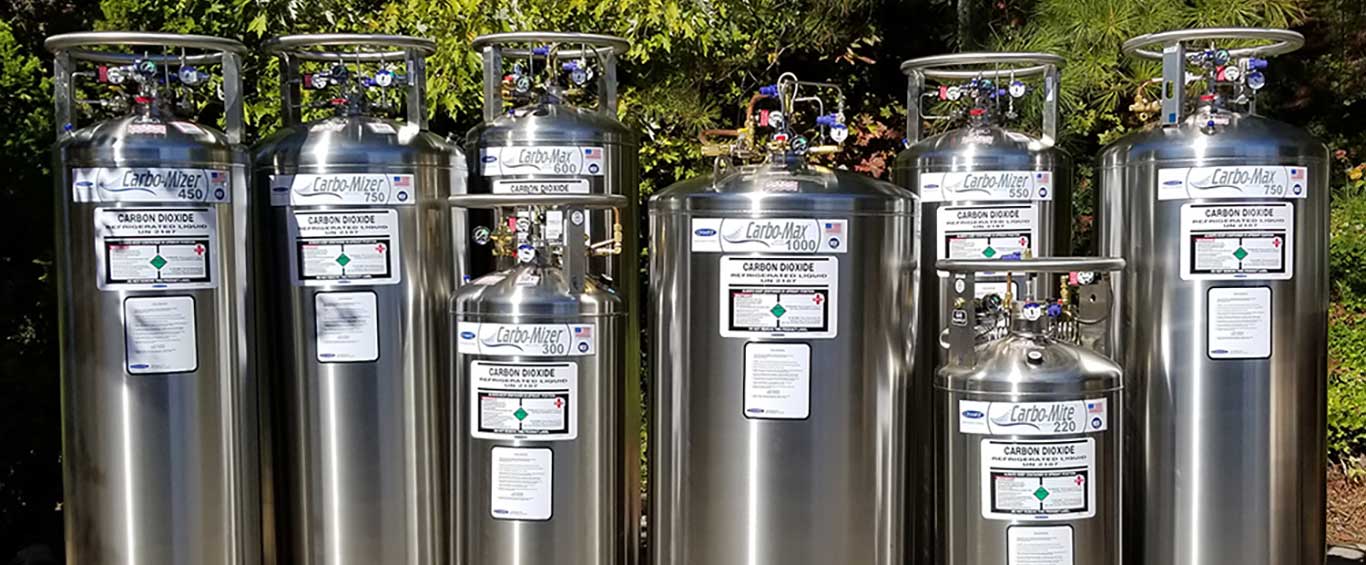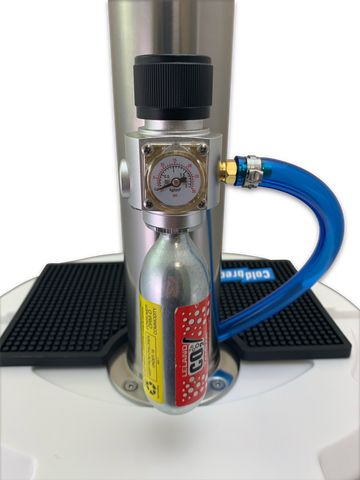
Because CO₂ is colorless and odorless, employees may not realize a dangerous concentration is present until symptoms begin. That is why beverage CO₂ monitoring systems have become a critical safety component in facilities that store or distribute compressed carbon dioxide.
Why CO₂ Monitoring Is Necessary
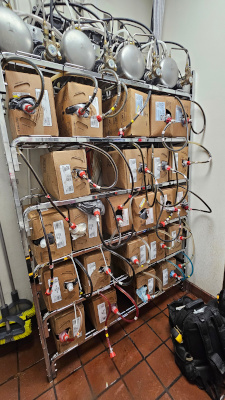
Carbon dioxide is not toxic in the traditional sense, but it can displace oxygen in the air, creating an asphyxiation hazard. Even a relatively small leak from a cylinder, manifold, or regulator can raise CO₂ levels quickly in confined areas such as:
-
Beverage gas closets
-
Walk-in coolers
-
Storage rooms
-
Mechanical rooms
Symptoms of elevated CO₂ exposure can include:
-
headaches
-
dizziness
-
shortness of breath
-
confusion
At very high concentrations, CO₂ exposure can become life-threatening.
To address this risk, many jurisdictions enforce requirements found in the International Fire Code, which requires gas detection systems in areas where CO₂ storage or distribution systems could create hazardous concentrations if a leak occurs.
A properly installed beverage CO₂ monitor continuously measures the air and will trigger audible and visual alarms if levels exceed safe limits. This gives employees time to evacuate the area and correct the issue before it becomes dangerous.
Why CO₂ Monitors Must Be Calibrated
Installing a CO₂ monitor is only the first step. Over time, gas sensors gradually drift from their original accuracy due to:
-
sensor aging
-
environmental conditions
-
temperature changes
-
normal electronic drift
Without calibration, a monitor may fail to alarm when CO₂ levels become dangerous or may trigger false alarms that disrupt operations.
Annual calibration ensures the monitor continues to measure CO₂ concentrations accurately and activate alarms at the correct safety thresholds.
For facilities subject to fire code inspections, calibration also provides documentation proving the monitoring system is functioning as required.
When CO₂ Monitors Should Be Calibrated
Most manufacturers and fire safety authorities recommend that beverage CO₂ monitoring systems be calibrated at least once per year.
Calibration may also be required when:
-
a sensor has been replaced
-
the monitor has experienced an alarm event
-
the system has been relocated or modified
-
required by local fire inspectors or safety policies
Routine calibration is the best way to maintain safety and compliance.
What Happens During a Yearly CO₂ Monitor Certification
At Paramount Gas Detection, our yearly CO₂ monitor certification service is designed to verify that each system is functioning properly and meeting applicable safety standards.
Our technicians perform several steps during the certification process.
1. Visual System Inspection
We begin by inspecting the monitor installation to confirm:
-
proper mounting location
-
unobstructed airflow to the sensor
-
functional power supply
-
visible alarm indicators
-
proper signage
We also verify that the monitor is positioned where it can effectively detect CO₂ in the area where cylinders or manifolds are located.
2. Sensor Calibration
Next, we calibrate the sensor using certified calibration gas with a known CO₂ concentration.
This process involves:
-
exposing the sensor to calibration gas
-
adjusting the monitor so readings match the known gas concentration
-
confirming that measurement accuracy is within manufacturer specifications
This ensures the monitor will respond correctly when CO₂ is present.
3. Alarm Function Testing
Once calibration is complete, we verify that the monitor activates alarms at the appropriate setpoints.
This includes testing:
-
audible alarms
-
visual alarms
-
remote alarms (if installed)
These tests confirm that occupants will be alerted if CO₂ levels become elevated.
4. System Documentation
After testing is complete, we provide documentation showing the monitor has been inspected, calibrated, and tested.
This documentation may include:
-
calibration certificate
-
service date and technician information
-
equipment identification
-
recommended next service date
Facilities can present this documentation during safety inspections to demonstrate compliance.
Protecting Employees and Maintaining Compliance
Beverage CO₂ systems are widely used in restaurants and food service facilities, but the safety risks associated with compressed gas systems should not be overlooked.
A properly installed and maintained CO₂ monitoring system helps facilities:
-
protect employees and customers
-
comply with fire safety regulations
-
detect leaks before they become dangerous
-
maintain reliable operation of beverage systems
Regular calibration and certification ensure that these systems will function correctly when they are needed most.
At Paramount Gas Detection, we specialize in installation, calibration, and annual certification of beverage CO₂ monitoring systems. Our goal is to help facilities maintain safe operations while meeting applicable fire code requirements.
If your facility uses CO₂ for beverage systems, routine monitoring and calibration are an essential part of a comprehensive safety program.